
Brazil Politics: Brazil’s Supreme Court authorized a Federal Police probe into President Lula’s eldest son, Fábio Luís Lula da Silva (“Lulinha”), over alleged influence-peddling tied to medicinal cannabis supply to the public health system; no charges yet, but investigators will gather material before prosecutors decide on indictment. Elections & Parties: Brazil’s Green Party formally backed Lula for the Oct. 4 general election, positioning sustainability and inclusion as its coalition priorities while the campaign context centers on Flávio Bolsonaro and an ongoing Supreme Court investigation into the cannabis licensing case. Regional Diplomacy: South Korea and Argentina agreed to expand cooperation on critical minerals—especially lithium across the value chain—plus stable crude oil imports, with agreements signed during a summit in Buenos Aires. World Football Governance: FIFA scrapped its plan to create a $20 billion commercial World Cup arm after UEFA and others threatened boycotts; the reversal came amid claims the proposal would fracture member associations and turn the tournament into an investment product. Judicial News (Peru): Peru’s Constitutional Court overturned former President Ollanta Humala’s 15-year Odebrecht-linked money-laundering sentence, leading to his release from prison.
AGP Executive Report
Your go-to archive of top headlines, summarized for quick and easy reading.
Note: AI summary from news headlines; neutral sources weighted more to help reduce bias in the result. Feedback is welcome. Please let us know if you have any comments or suggestions about the AGP Executive Report.
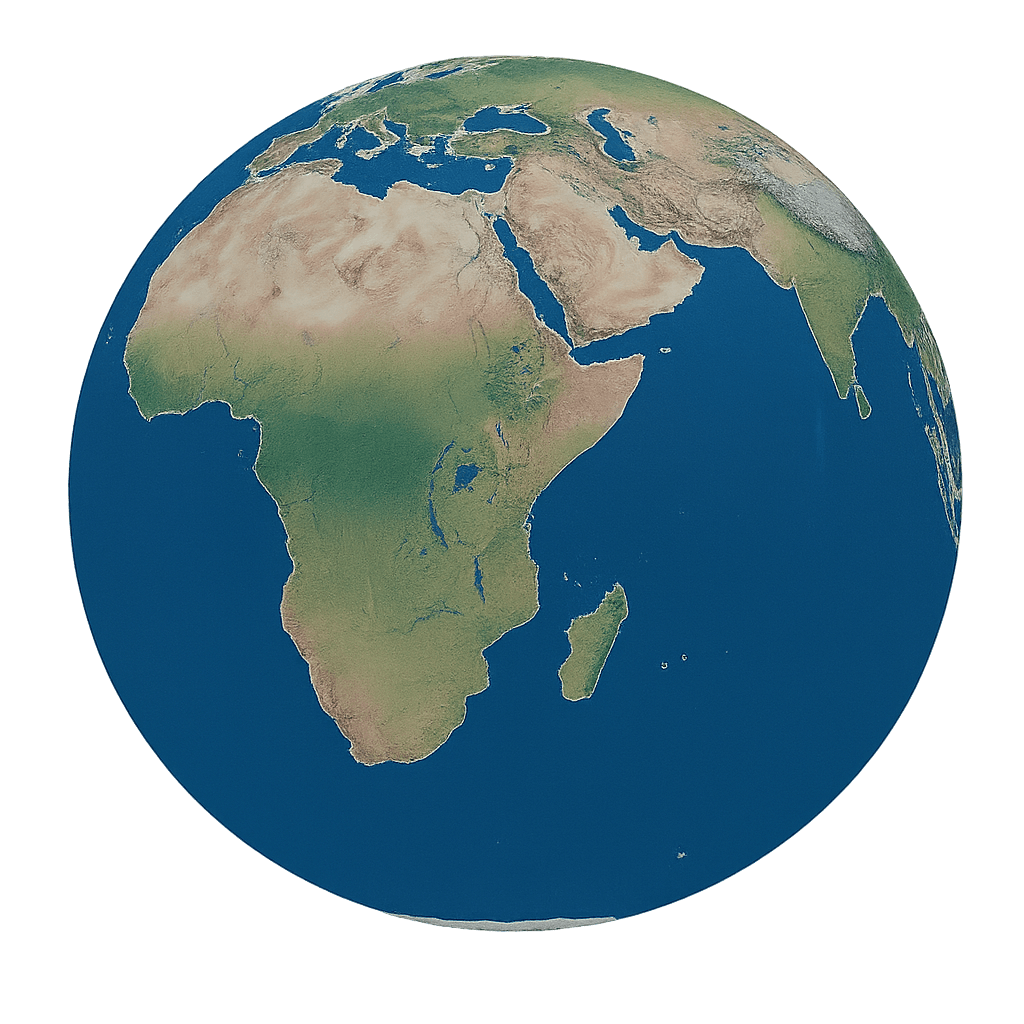
Supreme Court Probe: Brazil’s Supreme Court authorized a Federal Police investigation into Fábio Luís “Lulinha” Lula da Silva over alleged efforts to influence Health Ministry decisions tied to medical marijuana commercialization, with Lula saying his son would get no special treatment. HIV Policy Fight: At AIDS 2026 in Rio, experts warned that new “miracle” HIV prevention options like lenacapavir face major access gaps as U.S. foreign aid cuts leave countries such as Brazil, Mexico, Argentina, and Peru shut out of cheaper licensing. AI Diplomacy Blunder: The U.S. State Department apologized after an AI-mangled Africa map mislabeled every country during a conference presentation, sparking outrage and renewed scrutiny of how AI is used in public policy. Fiscal Pressure: Brazil’s budget deficit widened to nearly 10% of GDP in the 12 months through June, driven largely by rising interest costs, underscoring investor concerns about debt stabilization. Election Math in the Right: Brazil’s Progressives Party said it will stay neutral in October’s presidential race, dealing a blow to Senator Flávio Bolsonaro’s bid to broaden his ticket. Social Mobility Snapshot: A new Atlas finds race, gender, and family background strongly shape social mobility, with non-white and women facing much higher odds of remaining stuck in the bottom income tier.
Brazil Supreme Court & Lula Campaign: Brazil’s Supreme Court authorized a police investigation into “Lulinha,” President Lula’s son, over alleged influence peddling tied to Health Ministry dealings involving medicinal cannabis, as Lula reiterated he won’t shield him ahead of October reelection. Visa Row With the U.S.: Lula confirmed Brazil denied visas to two U.S. State Department officials over alleged election interference plans, deepening tensions as the campaign heats up. Lula’s Credit Push Under Scrutiny: A Reuters look at Lula’s payroll-deductible lending program shows rapid growth in new borrowing alongside rising delinquencies, complicating the government’s claim it will cut costs without fueling consumption. UEFA vs. FIFA Governance Clash: UEFA and its 55 member associations unanimously threatened to boycott all FIFA competitions if FIFA moves ahead with a $20 billion plan to sell stakes to private investors—an immediate threat to the 2027 Women’s World Cup in Brazil. South America Diplomacy: South Korea’s President Lee Jae-myung arrived in Argentina for talks with Milei on critical minerals and to revive stalled Korea-Mercosur trade negotiations, after a Chile summit and a Brazil stop. Argentina’s Immigration Crackdown: Argentina issued a decree barring foreigners from inciting “hate” against the country, with deportation powers, amid backlash and legal doubts.
FIFA Governance Clash: UEFA and its 55 national associations agreed to boycott all FIFA competitions, including the World Cup, rejecting Gianni Infantino’s plan to raise about $20 billion via a private-investor stake in FIFA Forward Enterprises. Brazil–Argentina Diplomatic Spat: Argentina’s Milei signed an emergency decree to bar or expel foreigners who “incite hate,” after renewed attacks on Lula; Brazil is weighing a diplomatic response and has recalled its ambassador for consultations. Election Law & Campaign Pressure: A São Paulo court fined Lula R$15,000 for early campaigning and ordered removal of the YouTube broadcast tied to remarks urging votes for Senate candidates. US–Brazil Visa Fight: Brazil said it denied visas to two senior U.S. State Department officials over election interference concerns. Tech & Politics Fallout: Bolsonaro’s AI “clone” video resurfaced at Flávio Bolsonaro’s campaign launch, raising fresh legal and court-condition questions. Public Health Embarrassment: At AIDS 2026 in Rio, a U.S. State Department Africa map mislabeled every country; the department said it took “full responsibility.” Domestic Economy: Brazil reported a net gain of 145,161 formal jobs in June, with services and agriculture leading hiring.

Diplomatic Spat in Focus: Brazil kept its ambassador in Buenos Aires “for now” after recalling Julio Bitelli over insults by Argentina’s President Javier Milei aimed at Lula, with Foreign Minister Mauro Vieira and Lula meeting Bitelli as consultations continue. Defense & History Row: Lula’s remarks invoking the War of the Triple Alliance to justify higher defense spending triggered formal repudiations in Paraguay’s Congress, which accused him of distorting origins and oversimplifying blame. Bolsonaro AI Deepfake Probe: Brazil’s Supreme Court ordered Jair Bolsonaro to explain whether he authorized an AI-generated video used in Flávio Bolsonaro’s campaign launch, warning that consent could violate house-arrest conditions. Election Policing: Federal Police operations are set to shape the election, with the Banco Master investigation and other probes already reshuffling political plans and leadership roles. Trade Pressure on Brazil: Brazil denounced the U.S. extending emergency trade powers over “baseless” claims, keeping punitive tariffs in place. Korea-Brazil Economic Push: South Korea’s Lee Jae-myung, on a state visit, pitched deeper cooperation with Lula on aircraft, critical minerals, and a possible restart of Korea-Mercosur FTA talks.
WHO & SUS: WHO chief Tedros Ghebreyesus visited Rio’s Andaraí hospital with Lula, praising Brazil’s SUS as a global model for universal coverage and highlighting hepatitis B elimination certification efforts. HIV/AIDS Funding: At AIDS 2026 in Rio, UNAIDS warned that global HIV progress is uneven and threatened by funding cuts, stressing that long-acting prevention only works if access and community delivery scale up. Bolsonaro Deepfake Probe: Brazil’s Supreme Court ordered Jair Bolsonaro to explain within 48 hours whether an AI-generated video urging support for Flávio Bolsonaro was authorized, raising the risk of new violations of his house-arrest conditions. US Pressure on Brazil: The White House extended a one-year national emergency tied to Brazil, citing alleged threats to US interests and pointing to Supreme Court actions. Indigenous Land Ruling: A federal court gave the government 24 months to recognize Indigenous territory in Mato Grosso and ordered an apology and damages over decades of violence and displacement. Sports Discipline: Brazil’s top sports court suspended Inter defender Víctor Gabriel until Cruzeiro’s Gabriel Pec is cleared after a broken-leg injury.
Brazil–Korea Economic Push: South Korea’s President Lee Jae-myung used a São Paulo business roundtable to pitch joint work on next-gen civil aircraft, critical-mineral supply chains and K-beauty, while also backing a faster restart of Korea–Mercosur talks via a working group with Brazil’s Vice President Geraldo Alckmin. Trade & Agriculture Diplomacy: The two sides also moved on beef and pork access, with quarantine and sanitary inspections planned for Brazilian beef in August and a path to concrete market-opening steps. Animal Welfare Law: Brazil’s foie gras ban—covering both production and sales—kicks French suppliers out of the market after Lula signed the measure on July 23, raising new friction with France. Amazon Environment: Brazil reported a 35.4% deforestation drop in the Amazon over six months, while warning the Pantanal is seeing a sharp rise. Sports Governance: Brazil’s Superior Court of Sports Justice suspended Inter Porto Alegre defender Víctor Gabriel until Cruzeiro’s Gabriel Pec returns to training after Pec’s broken leg.
Mercosur Trade Push: Brazil and South Korea announced a working group to restart Mercosur talks, with Vice President Geraldo Alckmin coordinating and a key goal of clearing “sensitivities” so negotiations can move again amid tariff uncertainty. Diplomatic Crisis: Brazil’s government called its dispute with Argentina the worst since the return to democracy after Javier Milei’s insults at Lula and Supreme Court figures, prompting ambassador recalls and fresh consultations. HIV Funding Alarm: AIDS 2026 opened in Rio with UNAIDS and KFF warning that global HIV financing fell sharply in 2025, driven largely by U.S. cuts, putting treatment and prevention targets at risk. U.S. Tariffs at WTO: Brazil formally requested WTO consultations over new U.S. Section 301 tariffs, arguing they’re unjustified and incompatible with trade rules, while keeping negotiations and possible retaliation tools on the table. Brazil Election Odds: Polymarket put Lula at a 63% chance of winning in 2026, with BTG/Nexus and Datafolha polls also showing him leading Flávio Bolsonaro. Trade-Linked Markets: Meat exporters reacted positively to progress toward opening South Korea’s beef market, with Lula and Lee announcing an August sanitary inspection mission.
South Korea–Brazil Summit: President Lee Jae Myung and Lula met in Brasília and agreed to revive stalled South Korea–Mercosur trade talks, creating a working group to unblock sensitive issues and pushing the pact as “not to be postponed.” China–Brazil Pivot: Lula also spoke with Xi Jinping, agreeing to accelerate Mercosur–China negotiations—an about-face after years of Brazilian resistance—amid new U.S. tariff pressure. Argentina Diplomatic Crisis: Relations with Javier Milei hit a new low as Brasília recalled its ambassador after Milei insulted Lula and Supreme Court Justice Alexandre de Moraes during Flávio Bolsonaro’s campaign launch. U.S. Tariffs Fight in WTO: Brazil requested WTO consultations over Trump-era tariffs, challenging both the 25% duties and forced-labor-linked levies as unjustified. HIV Funding Alarm: Ahead of AIDS 2026 in Rio, reports warn that funding cuts and higher costs threaten to reverse progress, even as prevention medicines show promise. Electoral Transparency: Brazil’s Superior Electoral Court scheduled another August 17 meeting to explain electronic voting machines after Flávio Bolsonaro amplified Smartmatic claims.
Diplomatic Crisis: Brazil recalled its ambassador to Argentina after Javier Milei insulted Lula and Supreme Court Justice Alexandre de Moraes during Flávio Bolsonaro’s campaign launch in São Paulo, escalating a rift that Brazil’s foreign ministry called unprecedented. Trade & Elections: Finance Minister Dario Durigan said U.S. tariffs are “external interference” and expects a negotiated fix after October’s presidential election, while Lula hit back in a Washington Post op-ed calling the tariff case ideological and warning it will also hurt the U.S. China Pivot: Lula and Xi Jinping spoke by phone, agreeing to speed Mercosur–China trade talks and expand cooperation in AI, satellites, critical minerals and fertilizer, with Xi pledging support against “external interference.” Health Funding Shock: UNAIDS warned HIV funding fell 18% to $7.3bn in 2025, risking a resurgence as PEPFAR disruptions threaten services worldwide. Climate Policy: Lula launched a Climate Plan Brazil targeting 67% emissions cuts by 2035, with deforestation and indigenous land protection at the core. Energy Security: As Middle East tensions flare, IEA-linked concerns rose over supply risks near key shipping chokepoints.
Brazil–Argentina Diplomatic Rift: Brazil recalled its ambassador to Buenos Aires after Argentine President Javier Milei insulted Lula and Supreme Court Justice Alexandre de Moraes during Flávio Bolsonaro’s campaign launch, and Brazil also summoned Argentina’s envoy for consultations. Election Interference Row: Brazil denied visas to two U.S. State Department officials, with Brazilian authorities saying the trip aimed to cast doubt on Brazil’s electoral system ahead of October. Trade War Fallout: Lula hit back at Trump’s new tariffs in a Washington Post op-ed, calling them a “strategic mistake” that will raise costs for Americans and disrupt supply chains; meanwhile Trump’s forced-labor tariffs on 60+ countries face backlash and legal fights. Global Health Pressure in Rio: AIDS 2026 in Rio saw activists disrupt a U.S. AIDS coordinator’s address, citing PEPFAR funding cuts and reporting fewer children receiving HIV treatment and thousands of service sites shut. South Korea–Brazil Ties: South Korean President Lee Jae Myung ordered fuel price caps to stay until oil volatility eases, and pushed deeper cooperation with Lula, including a defense and business agenda. China–Brazil Coordination: Xi Jinping told Lula China is ready to strengthen bilateral and multilateral strategic coordination and boost BRICS cooperation.
Election Tensions & Diplomacy: Brazil recalled its ambassador to Buenos Aires after Argentina’s President Javier Milei used a visit to back Flávio Bolsonaro and attack Lula and Brazil’s judiciary, escalating already-frayed ties. Bolsonaro’s Campaign Launch: The Liberal Party formally nominated Flávio Bolsonaro as its October challenger to Lula, with Milei and messages from Netanyahu and Jair Bolsonaro boosting the bid. US–Brazil Clash Over Voting Integrity: Brazil denied visas to two senior U.S. State Department officials who planned to meet electoral authorities ahead of the Oct. 4 vote, with Brazil citing fears of political exploitation; Washington called the trip routine. Trade War Pressure: Lula condemned new U.S. tariffs in a Washington Post op-ed, warning they will raise costs and damage bilateral economic relations. Security in the Amazon: Indigenous leaders on the Brazil–Peru border say organized crime is “taking communities hostage,” prompting an emergency appeal to Brasília.
Presidential Race: Brazil’s Liberal Party (PL) formally nominated Senator Flávio Bolsonaro as its candidate for the Oct. 4 election, setting up a direct challenge to incumbent Luiz Inácio Lula da Silva; the convention in São Paulo drew support from Argentina’s Javier Milei and featured an AI message from jailed Jair Bolsonaro, while Flávio pledged tax cuts and a tougher line on crime and social issues. U.S.-Brazil Election Tensions: Brazil denied visas to two senior Trump administration officials—Riley M. Barnes and Samuel Samson—who were set to visit Brasília to discuss election integrity and related freedoms, with Brazilian officials citing a risk of political exploitation and interference; the U.S. called the trip routine and rejected claims of a “ploy.” Foreign Policy & Markets: Lula warned that any external interference would be met with a “hard defeat” at the polls as the visa dispute unfolds alongside tariff pressure and renewed global inflation worries tied to oil near $100. Tech Diplomacy: South Korea’s President Lee Jae Myung urged deeper U.S.-Korea cooperation beyond security, pushing tech, innovation, and startups—an agenda he links to broader South America ties and critical minerals.
Election Interference Row: Brazil denied visas to two Trump administration officials planning to question the integrity of Brazil’s electoral system ahead of the Oct. 4 vote, framing it as an attempt to undermine democracy and shape the election against Lula. Bolsonaro’s Campaign Launch: Flávio Bolsonaro was confirmed as the Liberal Party’s presidential candidate, but his bid faces headwinds: he still lacks a running mate and struggles to secure centrist alliances, with major figures’ absences drawing attention. Poll Snapshot: A Datafolha survey puts Lula ahead of Flávio Bolsonaro in both the first round and a likely runoff, while tariffs and internal right-wing divisions add uncertainty. US Tariffs Hit Brazil: New U.S. forced-labor tariffs are set to affect a large share of Brazilian exports to the U.S., with Brazil pushing back and weighing responses as the trade fight spills into the election campaign. Animal Welfare Diplomacy: Lula signed a nationwide foie gras ban, angering France and raising trade-policy questions.
Brazil Election Watch: Flávio Bolsonaro formally launches his presidential bid in São Paulo as Lula holds a lead in a Datafolha poll (48% to 43% in a runoff), with scandals and the latest US tariff pressure cited as headwinds. US–Brazil Trade Clash: The US rolled out new 10%–12.5% forced-labor tariffs on 60 partners, while earlier this week Washington imposed 25% tariffs on a range of Brazilian goods; Brazil rejects the rationale and signals legal action/WTO challenge. Forced-Labor Tariff Backlash: Trading partners dispute the US justification; US critics call it a workaround to Supreme Court limits, and small businesses have already sued. Energy Policy: Brazil’s ordinance could pay up to about R$3.3bn in compensation for renewable power curtailment, with participation in the settlement still uncertain. Court & Democracy Signals: TSE chief Kassio Nunes Marques weighs a “seal” for pollsters whose surveys match results, a move research firms warn could distort election dynamics. Foreign Policy/Regional Context: Argentina’s Milei is set to back Flávio Bolsonaro’s bid amid a Brazil bank-fraud investigation that could further shake the campaign.
U.S.-Brazil Trade Clash: President Trump’s administration rolled out sweeping Section 301 forced-labor tariffs on 60 economies, effective Friday, with rates of 10% for countries deemed to have enforced bans and 12.5% for others—and Brazil is among those hit, a move that Amcham Brasil says could affect about $12.5bn in annual exports and stack with last week’s 25% duties. Brazil’s Response: Lula signed a law banning foie gras sales and production, a symbolic trade jab that Brazil frames around animal cruelty and that France is likely to treat as another friction point. Legal-Political Fallout in Brasília: Brazil’s Supreme Court authorized a probe into financing behind a Bolsonaro biopic (“Dark Horse”), examining transfers tied to former banker Daniel Vorcaro—a case that could further entangle the Bolsonaro political network ahead of the election calendar. Foreign Policy Signals: China’s Wang Yi met Brazil’s Mauro Vieira, stressing deeper cooperation in aerospace, connectivity, and AI, while positioning Brazil as a key Global South partner. Public Safety Watch: Brazil’s security data show intentional homicides fell in 2025, but femicide rose, keeping gender violence at the center of policy debate.
Forced-Labor Tariff Clash: President Lula condemned the U.S. decision to impose 12.5% tariffs on Brazil under a forced-labor enforcement program, calling it a human-rights pretext for protectionism and saying Brazil will pursue retaliation under its reciprocity law and take the case to the WTO. Trade Policy Reset in Washington: The Trump administration rolled out new 10%–12.5% duties on 60 partners under Section 301, replacing a temporary 10% global tariff that expired Friday, with exemptions for items like oil, gas, fertilizer and some food. Diplomacy Watch: China’s Wang Yi met Brazil’s Mauro Vieira in Manila, stressing strategic coordination and offering cooperation in aerospace, connectivity and AI. Brasília Angle on Courts & Campaigns: Separate reporting highlights legal pressure around Flávio Bolsonaro’s campaign-linked financial claims, as Brazil’s Supreme Court activity continues to shape the political calendar. Tech & State Visits: South Korea’s President Lee Jae Myung is set to meet Lula in Brasília as part of a broader push on AI and tech investment ties.
US-Brazil Trade Clash: Lula’s government rolled out BRL 18.5bn in subsidized credit under “Sovereign Brazil Plan 3” as new U.S. Section 301 tariffs took effect, targeting parts of Brazilian exports and citing forced labor and deforestation concerns. Electoral Integrity Fight: Brazil’s top courts criticized Flávio Bolsonaro after he repeated false claims about electronic voting machines to diplomats, warning similar attacks have led to political bans. Far-Right Party Rift: The Liberal Party’s São Paulo convention to ratify Flávio Bolsonaro’s presidential bid is being watched closely amid a public feud with Michelle Bolsonaro, who is skipping the event. Agribusiness Exports: Pork and chicken exports hit record first-half levels, even as tariff uncertainty and Middle East tensions complicate logistics. EU Antimicrobial Dispute: Brazilian beef groups pushed to reopen the EU market by complying with antimicrobial rules, arguing restrictions should apply only to export-linked producers. Global South Diplomacy: China’s FM Wang Yi met Brazil’s Mauro Vieira, urging deeper cooperation on aerospace, connectivity and AI. Culture & Environment: The Xokleng/Laklãnõ launched large-scale Brazilian pine restoration to protect a sacred species tied to identity.
US-Brazil Tariff Clash: President Lula signed “Sovereign Brazil III,” launching 18.5 billion reais (about $3.65bn) in emergency credit to help firms absorb Trump’s new 25% tariffs, with Treasury and BNDES funding and a push to keep negotiations open while diversifying exports. Reciprocity, Not Retaliation: Vice-President Geraldo Alckmin said Brazil’s Reciprocity Law is meant to correct unfair treatment, not mirror US moves, as the government frames its response around support, market diversification, and dialogue. Election-Season Fallout: US tariffs and sanctions are already shaping voter sentiment ahead of October’s presidential race, with Lula casting the fight as sovereignty defense while Flávio Bolsonaro tries to capitalize on the political vacuum. Public Media Purge: Brazil’s public broadcaster EBC reportedly took down tens of thousands of pages and programs ahead of the election restriction period, citing court guidance—raising fresh censorship concerns. Global Trade Ripples: The new US duties also triggered debate abroad, including how they may affect sectors like Brazilian beef access and broader consumer costs.
U.S.-Brazil Tariff Clash: The 25% U.S. tariff on some Brazilian imports starts taking effect, with Brazil calling it unjust and threatening reciprocal measures as exemptions (including coffee, beef, oranges and orange juice) shape the real hit to exports. Reciprocity Law: Brazil signals it may use its 2025 reciprocity framework rather than only short-term retaliation, as trade uncertainty becomes the new normal. Amazon Fire Relief: New data shows Brazil’s Amazon burned area hit a record low in 2025 (3.1 million hectares), after Lula’s zero-deforestation push and shifting weather patterns. Health Sovereignty: Lula signed a law creating a National Health Strategy for the Health Economic-Industrial Complex (CEIS) to reduce SUS dependence on imports of medicines and vaccines. Federal Police Probe: Brazil’s Federal Police summoned Senator Jaques Wagner in the Banco Master investigation, tied to alleged payments and property deals. Industry & Jobs: Stellantis will start producing Leapmotor vehicles in Brazil from November, while Abra ordered up to 45 Embraer E2 jets. HIV Funding Pressure: Ahead of AIDS 2026 in Rio, research warns PEPFAR disruptions left tens of thousands fewer children on HIV treatment.
Sign up for:
Brasilia Political Voices
The daily local news briefing you can trust. Every day. Subscribe now.
Check Your Email!
We sent a one-time activation link to: .
Confirm it's you by clicking the email link.
If the email is not in your inbox, check spam or try again.
Welcome back!
is already signed up. Check your inbox for updates.